Loading...
Serving Redding, CA and surrounding areas. (530) 319-6848
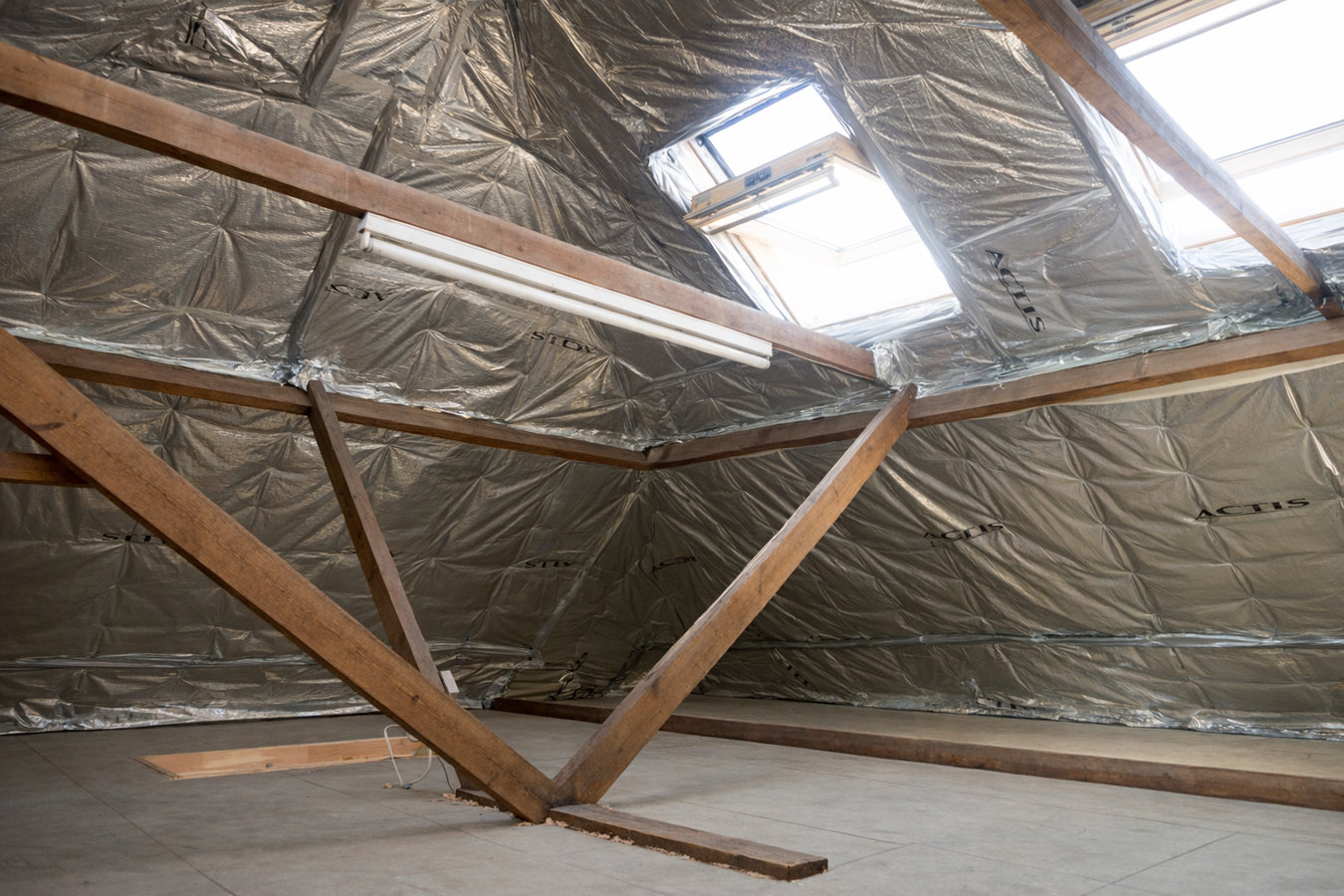
When Redding summers push past 110°F, your attic is either protecting your home or fighting against it. Properly installed attic insulation keeps the heat out, keeps conditioned air in, and takes the load off your AC every single day.
Attic insulation in Redding, CA slows heat from moving through your ceiling and into your living space, most single-story homes are fully installed in one day without you needing to leave. It is the single most impactful upgrade available to a homeowner in the Sacramento Valley because the attic is where the largest share of heat enters in summer and escapes in winter.
Many Redding homes built between 1970 and 1990, particularly in neighborhoods like Enterprise, Buckeye, and older south Redding, have original insulation that has compressed and settled to a fraction of what it once was. In Redding's climate, that thin layer is not meaningfully slowing anything down by mid-July.
Before adding new insulation, we seal air gaps around light fixtures, plumbing penetrations, and framing. Skipping this step is the most common shortcut in attic work, and it is the reason many homeowners are disappointed with their energy savings after a job. Our attic air sealing service handles this as a stand-alone job or as part of a full insulation upgrade. If you are comparing material options, our blown-in insulation page covers the most common attic insulation type in detail.
Rooms directly under the roof that stay stuffy even with the system running are a clear signal the attic is not doing its job. In Redding's 110°F summer heat, a thin attic acts like a heat lamp aimed at your ceiling. Adding insulation to the recommended depth is the most direct fix.
If you are paying noticeably more for electricity than neighbors in comparable houses, the attic is the first place to investigate. Redding's extreme temperature swings mean any gap in thermal protection shows up quickly on your bill. A quick attic check can confirm whether you are losing money through the ceiling.
Healthy attic insulation should be deep enough that you cannot easily see the wooden beams running across the floor. If those beams are visible or the insulation looks matted and compressed, you almost certainly do not have enough. You can check this yourself with a flashlight.
Fine smoke particles and ash can work into attic insulation through vents and gaps during a major fire event. This is not always visible from below but can affect performance and indoor air quality over time. A contractor can inspect what is there and give you an honest assessment.
We install blown-in fiberglass, blown-in cellulose, and batt insulation in attics across Redding and the surrounding region. Blown-in is the most common choice for existing homes because it fills gaps and odd-shaped spaces without requiring major structural work. It also lets us achieve even coverage across the entire attic floor, including the edges near the eaves that batt material often misses.
For homes where air leaks are part of the problem, we address gap sealing before any material goes in. We also provide full blown-in insulation as a stand-alone service and can pair it with attic air sealing for a complete thermal envelope upgrade.
Best for existing homes where the attic floor needs to be brought up to recommended depth quickly and evenly.
Suited to attics with straightforward joist layouts and clear access, often used in new construction or partial replacements.
Required when existing material is damaged, contaminated by pests or smoke, or contains hazardous materials that need to be cleared before new insulation goes in.
Recommended for any home where drafts, uneven temperatures, or high utility bills suggest air is moving freely through attic penetrations.
Redding consistently ranks among the hottest cities in the United States during summer. Average highs in July exceed 100°F and heat waves pushing 110°F are not unusual. An under-insulated attic in this climate is not a minor inconvenience, it is a significant daily cost driver that forces your cooling system to run nearly nonstop. Homeowners in nearby Anderson and Red Bluff face the same heat corridor conditions.
The 2018 Carr Fire is a reminder that Redding's insulation story is not only about heat. Smoke infiltration through attic vents and gaps became a serious concern for many families during and after the fire. If your home was in the affected area and you have not had the attic inspected since, it is worth a look. The U.S. Department of Energy recommends insulation levels based on climate zone, and Redding's zone requires a high level of coverage.
PG&E, which serves most Redding homeowners, offers rebates for qualifying insulation upgrades. California's Title 24 energy code also sets minimum standards for attic insulation in qualifying projects. We are familiar with both and handle permit and documentation requirements so you do not have to. Working with a local insulation company that knows these programs saves time and paperwork.
We respond within 1 business day. We will ask a few quick questions about your home's age, attic access, and what problems you have noticed. This helps us come prepared and give you an accurate assessment.
A contractor comes to your home, goes up into the attic, checks what is there, measures the depth, and looks for moisture, pest activity, or air gaps. Most assessments take 30 to 45 minutes. You can be home and ask questions.
You get a written quote covering materials, labor, and any required permits. We tell you whether your project qualifies for PG&E rebates or the federal tax credit and document the installation accordingly.
Most jobs finish in a single day. You do not need to leave. The blowing equipment stays outside and the crew works in the attic. Before leaving, the crew shows you photos of the finished work and confirms the installed depth.
We respond within 1 business day, no obligation. After you submit, someone from our office will call to schedule a free on-site estimate at a time that works for you. There is nothing to prepare in advance.
(530) 319-6848You get a written estimate that spells out the work, the materials, and the total cost before the job begins. If conditions in the attic change, we tell you before adjusting anything, never after.
We seal gaps around light fixtures, plumbing, and framing before any insulation goes in. This is the step that separates a job that delivers real energy savings from one that looks complete but performs poorly.
We know which installations qualify for PG&E rebates and the federal tax credit and document every job accordingly. Most homeowners who use a contractor unfamiliar with the process miss out on savings they were entitled to.
We have been assessing and insulating attics in the Redding area for years and know what Redding's heat, occasional freeze-thaw cycles, and wildfire smoke do to insulation over time. We give you an honest picture of what you are actually dealing with.
Every estimate is written, every scope is explained in plain language, and every installation is documented for rebates and permits. Industry installation standards are maintained by the North American Insulation Manufacturers Association.
Blown-in insulation fills every corner of an attic floor quickly and evenly, a practical solution for existing homes without major disruption.
Learn moreAir sealing before insulation installation is the step most contractors skip, and the one that makes the biggest difference in how well the finished job performs.
Learn moreRedding's summer heat season books fast. Contact us now for a free on-site assessment and written quote before temperatures peak.